PROJECT: Envisioning a Highway 45 Music Corridor
Establishing U.S. Highway 45 as the Mississippi Rockabilly Highway
Research and Planning Ongoing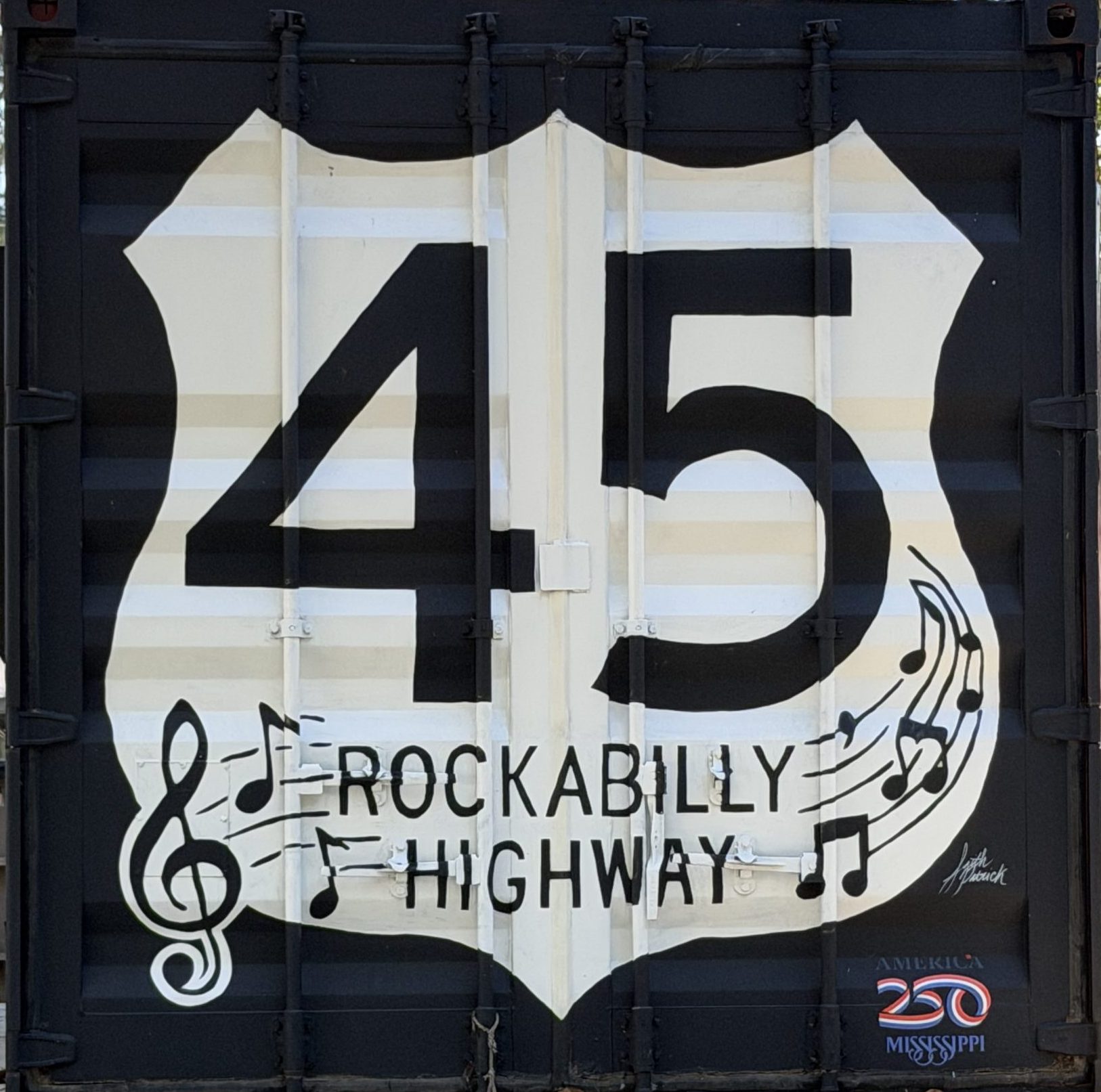
The Highway 45 corridor connects communities, musicians, and historic venues that helped shape the emergence of rockabilly in the 1950s.
Establishing U.S. Highway 45 as the Rockabilly Highway is an opportunity to recognize and promote one of Northeast Mississippi’s most significant contributions to American music history. The Highway 45 corridor connects communities, musicians, and historic venues that helped shape the emergence of rockabilly and early rock ‘n’ roll in the 1950s.
From Elvis Presley’s hometown of Tupelo to the communities where artists such as Carl Perkins, Johnny Cash, Charlie Feathers, and other musical pioneers performed and developed their sound, this corridor tells a uniquely Mississippi story about the intersection of blues, country, gospel, and rockabilly. Building on the existing Rockabilly Highway designation in Tennessee and Mississippi’s Rockabilly Way designation, a unified identity would help tell this musical story across state lines.
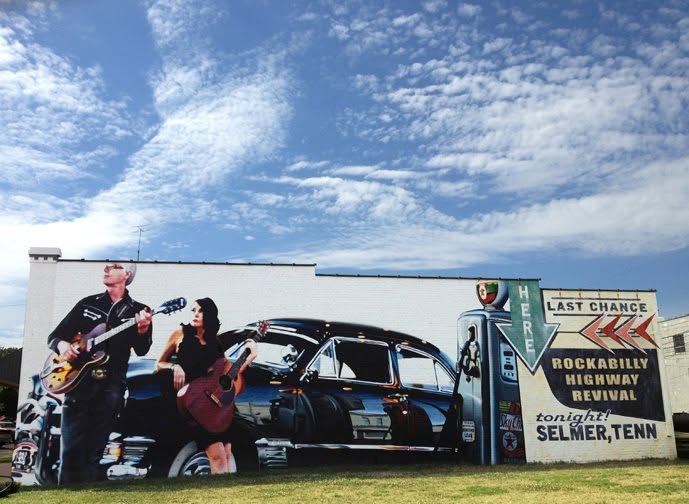

Elvis Presley, Carl Perkins, Johnny Cash, Charlie Feathers, and other musical pioneers developed their sound along Highway 45
For the Mississippi Hills National Heritage Area, this designation would strengthen our Music & Literature interpretive theme, create a recognizable regional tourism brand, and connect individual attractions into a larger heritage experience.
A clearly identified Rockabilly Highway could feature historic markers, interpretive signage, murals, music venues, museums, festivals, and community events while encouraging travelers to explore Tupelo, Corinth, Booneville, and other communities along the route. It would also create opportunities for small-town economic development, heritage tourism, and partnerships with Tennessee to promote the region’s shared musical legacy. Most importantly, it helps tell our compelling story: this is not simply where Elvis was born, but a region whose musicians, communities, and cultural traditions helped change American music forever.